

Understanding the Basics of Bluffing
Bluffing is one of the fundamental strategies in poker that can significantly alter the outcome of a hand. It involves playing a weaker hand as though it were strong, convincing opponents to fold superior hands. Successful bluffing requires not only a solid understanding of human psychology but also the ability to read the table dynamics accurately. Players must gauge when their opponents are likely to fold and when their confidence is inflated, especially in competitive environments like canada sports betting where stakes can change rapidly. Understanding the nuances of poker hand rankings and betting structures is essential before attempting to bluff effectively.
In a casino environment, players are often faced with a mix of seasoned veterans and inexperienced novices. This complexity adds an additional layer to the art of bluffing. For example, bluffing against a player who has just entered the game might be more successful than against someone who has been playing for a long time. The key is to observe behavioral patterns and betting tendencies. Being aware of the specific player’s style can provide crucial information that influences a decision to bluff or not.
Moreover, the timing of a bluff can be critical for its success. Bluffing too often may lead to players catching on and calling your bets regardless of the strength of their hands. Conversely, an occasional well-timed bluff can create doubt among opponents, making them question the strength of their own hands. A successful bluff combines skillful play with an understanding of risk assessment, ensuring that players can maximize their potential advantages in high-stakes situations.
Reading Your Opponents
Another vital aspect of bluffing is the ability to read your opponents. Understanding their behavioral patterns, betting habits, and even their physical tells can provide valuable insights into the strength of their hands. Experienced players often exhibit consistent reactions or tendencies when they hold strong versus weak hands. Taking mental notes on these behaviors can inform your decisions and help identify optimal bluffing opportunities. This skill is honed over time and is crucial when playing in a casino setting where diverse players converge.
In addition to physical tells, players should also pay close attention to betting patterns. An opponent who consistently raises the pot may be signaling confidence, while a player who cautiously checks may indicate uncertainty. Recognizing these cues can help you decide whether to bluff or stand firm with a strong hand. Moreover, bluffing becomes more effective when it’s strategically aligned with the overall flow of the game. For instance, if the pot is already sizeable, players may be more reluctant to fold, thus necessitating even more sophisticated bluffing techniques.
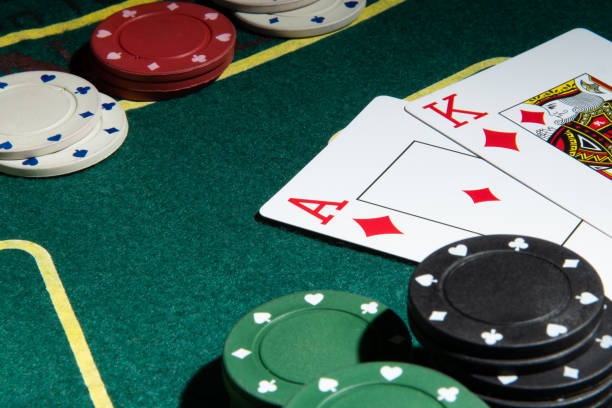
Furthermore, successful bluffing requires maintaining a poker face and minimizing any emotional expressions that might betray your hand’s authenticity. The ability to project confidence while bluffing can convince opponents that you possess a winning hand. Developing this calm demeanor often involves practice and self-regulation, especially in high-pressure environments like casinos where intensity runs high. Ultimately, effective bluffing is as much about psychological manipulation as it is about the cards you hold.
Choosing the Right Moments to Bluff
The timing of a bluff plays an essential role in its success. Identifying the right moment requires a keen understanding of the game and familiarity with the ongoing dynamics at the table. For instance, bluffing on the turn or river – when the betting has intensified – can yield impressive results, but only if it aligns with the overall narrative you have been constructing throughout the hand. Players should always consider how the community cards interact with potential hands of their opponents before executing a bluff.
Situational awareness is crucial; bluffing during early rounds may not be as impactful, as players are generally still evaluating their hands. Alternatively, a well-placed bluff during late rounds, where players have already invested significant amounts into the pot, is likely to lead to more significant folds. This strategic timing requires a mix of intuition, experience, and analytical reasoning, ensuring that each bluff is calculated and not simply based on whim.
Moreover, consider the “story” being told through your betting. Your actions should consistently lead your opponents to conclude that you hold a stronger hand than you actually do. If you’ve been playing tightly and suddenly make a large bet, opponents might be more inclined to believe you possess a strong hand. Conversely, if you’ve been overly aggressive, switching gears could create confusion. Mastering the art of when to bluff takes practice but can significantly enhance a player’s success rate in poker at casinos.
Executing Your Bluff with Confidence
Once you’ve decided to bluff, executing it with confidence is key. This means betting amounts that reflect the strength you want to project. A common mistake among less experienced players is to under-bet when bluffing, which may lead opponents to interpret their uncertainty. A robust bet signals strength and can compel others to fold, especially if done strategically. Confidence radiates from the player, and opponents are likely to sense it, influencing their decision-making.

Additionally, a successful bluff often requires a blend of subtlety and audacity. For example, if you aim to bluff on a potential straight or flush, framing your narrative to support this is crucial. You might choose to check-raise to create intrigue and elevate the pot, making your bluff more believable. This technique, coupled with a measured rhythm in your gameplay, can create an environment where opponents second-guess their hands and ultimately fold.
Importantly, anticipate the possible outcomes of your bluff. If an opponent calls your bluff and reveals a stronger hand, remain composed. Each session in a casino is a learning opportunity, and facing defeat can provide valuable lessons. Analyzing what went wrong and adapting your strategies for future games is part of mastering the art of bluffing, ensuring continuous growth as a player.
Enhancing Your Skills Through Practice and Resources
To become a proficient bluffer, consistent practice and analysis are essential. Engaging in friendly games, online platforms, or poker clubs fosters a nurturing environment where you can experiment with different bluffing techniques without the pressure of high-stakes games. These settings allow players to gain experience, develop their style, and sharpen their reading skills at a comfortable pace.
Utilizing online resources, instructional videos, and poker strategy forums provides further insight into advanced bluffing tactics. Many successful players share their experiences, offering unique perspectives on situational bluffing and psychological strategies. Analyzing professional games, whether through live tournaments or online streams, can also provide a window into the strategies employed by top players, enhancing your understanding of the game.
Moreover, reflection is crucial after each gaming session. Take time to review your major plays, including successful bluffs and those that didn’t pan out. Keeping a poker journal, where you document your thoughts and experiences, can help identify patterns and areas for improvement. Gradually, these insights will contribute to a more refined bluffing strategy that can adapt to the unpredictable nature of poker in casinos.